A Major Step in Zhoushan’s Island-to-Island Electric Ferry Electrification
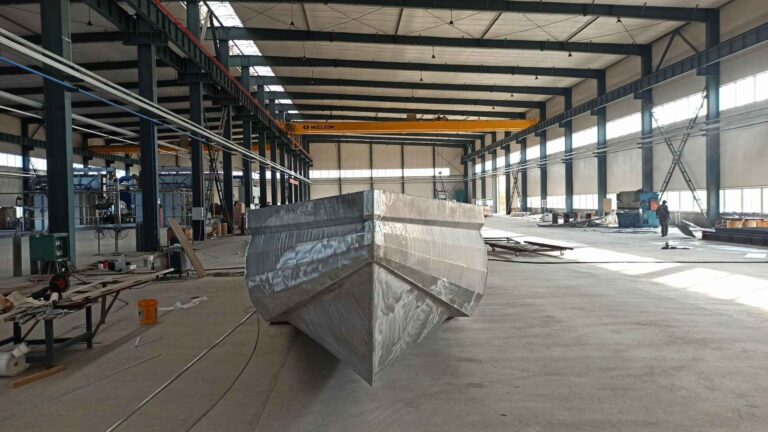
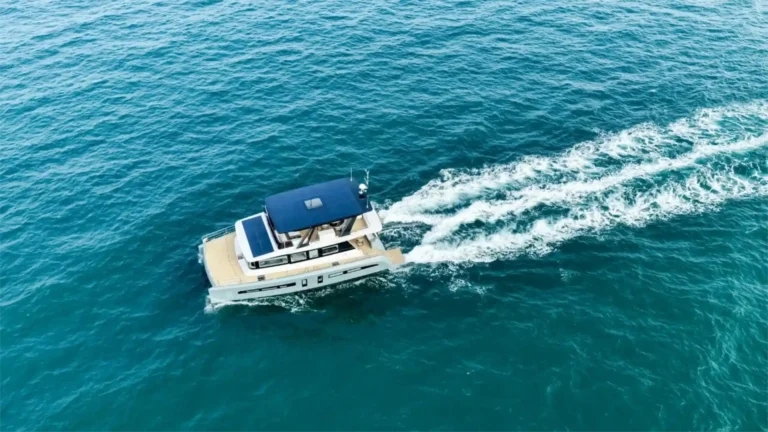
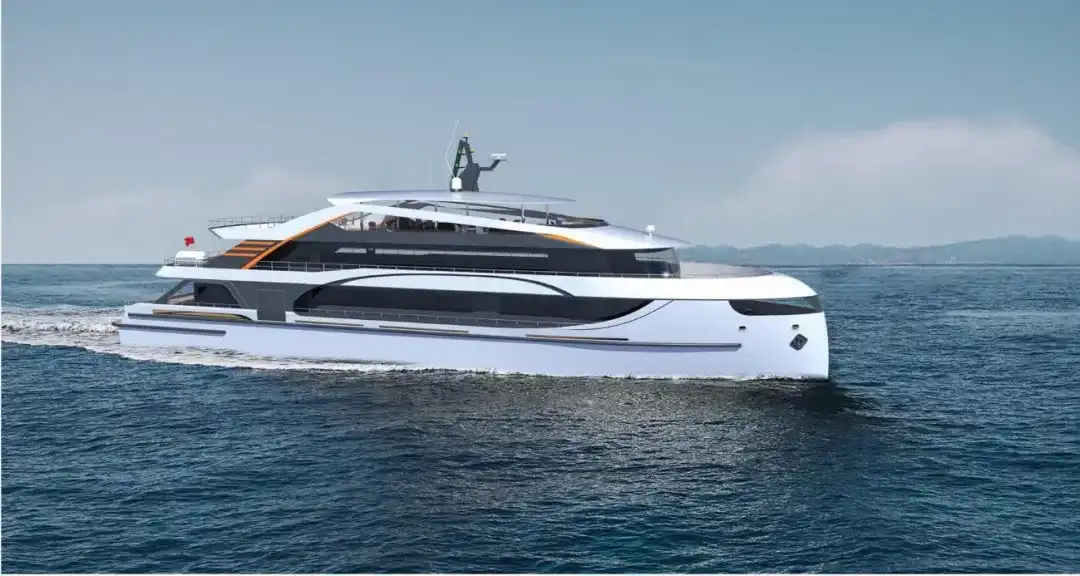
The keel-laying ceremony for Zhoushan’s first electric-propulsion passenger ferry—an all-electric, zero-emission vessel—was held on November 25 at Zhejiang Kailin Shipbuilding & Repair Co., Ltd. This milestone marks a significant step in Zhoushan’s transition toward green, low-emission and fully electrified marine transportation. The new electric ferry will serve the city’s inter-island passenger routes, accelerating the region’s adoption of sustainable electric boat technologies.
Key project information:
- Overall Length: 45 meters
- Designer: Zhejiang Xinhai Ship Design & Research Institute
- Builder: Zhejiang Kailin Shipbuilding & Repair Co., Ltd.
- Owner: Zhoushan Haihua Passenger Transport Co., Ltd.
The Ideal Geographic Environment for Electric Ferries to Maximize Their Advantages
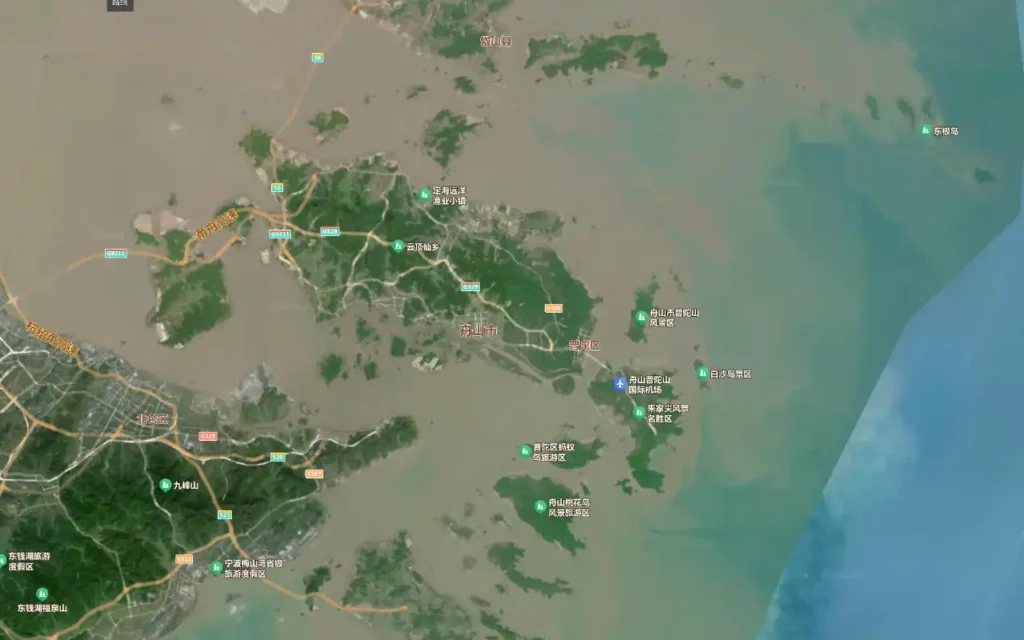
Zhoushan is a multi-island region where public transportation depends heavily on high-frequency inter-island ferry services—creating an ideal environment for electric ferries to maximize their advantages. Key data include:
- Peak passenger demand: More than 100,000 passengers per day on the Zhupu Route
- Total islands: 1,390
- Ferry network scale: 32 active island-to-island passenger routes
- Annual ridership: Over 15 million passengers (2024 Island Passenger Transport Report)
- Most congested route: Zhujiajian Wugongzhi Pier ↔ Mount Putuo Passenger Terminal (“Zhupu Route”)
- Daily sailings: 28–32 trips, exceeding 40 sailings during peak tourism seasons
For decades, the fleet has relied on diesel-powered ferries, which face three major challenges:
1. High Noise Levels
A typical 45-m diesel passenger ferry (e.g., “Xinhaihua 71”) records 75–85 dB inside the cabin—passengers must raise their voices to communicate.
2. High Carbon Emissions
A single diesel ferry on the Zhupu Route emits annually:
- ~132 tons CO₂
- ~1.2 tons NOₓ
With 20 diesel vessels on the route, total emissions exceed 2,600 tons of CO₂ per year—equivalent to the annual emissions of 144 private cars.
3. High Operating Costs
Fuel accounts for 55–60% of operating expenses.
At RMB 7.5/L, one vessel spends more than RMB 2 million on fuel per year.
Electric Ferries: Targeted Solutions to Long-Standing Problems
The newly built electric passenger ferry replaces diesel engines with two 350 kW permanent-magnet motors, removing conventional engines and gearboxes entirely.
Based on test data from Kailin Shipyard:
• Ultra-Low Noise
Expected cabin noise: 45–50 dB
(Comparable to a library and 20–25 dB quieter than diesel ferries)
• Lower Energy Costs
- Power price: RMB 1.2/kWh
- 200 kWh per trip → RMB 240 per trip
- Diesel equivalent: 50 L/trip → RMB 375
→ 36% lower energy cost, lowering long-term OPEX by 30–35%
Technology Maturity: The Foundation Behind Zhoushan’s First Electric Ferry
Kailin Shipyard, founded in 1951 and part of China’s naval support system, has strong technical expertise in:
- Electric propulsion integration
- High-strength hull welding
- Special-purpose vessel retrofits
In the past five years, the shipyard has completed 12 electric propulsion reconstruction projects, all certified by the China Classification Society (CCS).
The “Yaoguang Star Series” electric ferry is a commercialized and mature design, not a prototype.
In August 2025, the vessel design received CCS AiP approval, covering:
- Electric propulsion system compatibility
- Battery compartment fire protection
- Emergency power logic
- Eight critical safety modules
Vessel Parameters
- Length: 45 m
- Beam: 10 m
- Capacity: 387 passengers
- Wind resistance: Beaufort scale 9
- Total investment: RMB 26.75 million
- Build period: 13 months
- Expected service: late 2026, primarily on the Zhupu Route
Electrification Is Not “Just Replacing a Vessel”
Zhoushan’s island passenger transport electrification aims to build a complete “vessel – terminal – route” electric ferry network, delivering value in three dimensions:
1. Operational Data Validation
Key performance indicators to be collected include:
- Range: 12 round trips per full charge
- Charging efficiency: 80% in 2 hours (fast charging)
- Maintenance cycle: 3,000 hours (3× longer than diesel engines)
2. Policy Implementation
The project aligns with the 2025 Zhejiang Province Green Shipping Action Plan, which calls for:
- 100 new energy vessels, including
- 20 coastal ferries
This is the first coastal electric passenger ferry under the plan.
3. Environmental & Economic Benefits
Annual reductions per vessel:
- 132 tons CO₂
- 1.2 tons NOₓ
= Equivalent to planting 733 mature trees per year
Economically, over a 15-year lifecycle, electric ferries reduce total operating cost by 22%, with 70% of savings from energy costs.
Replication Path: From “One Ferry” to a Complete Electrified Network
Zhoushan currently operates 186 passenger vessels, 92% of which are diesel-powered.
The Xinhai Ship Design Institute states that the “Yaoguang Star Series” has formed a standardized design platform, enabling rapid customization for routes such as:
- Shenjiamen ↔ Dongji
- Sanjiang ↔ Daishan
Design time can be shortened to 3 months.
Electrification Roadmap:
By 2027:
- 15% electrification on key routes (Zhupu, Shenjiamen–Taohua, etc.)
By 2030:
- Full electrification of routes ≤ 20 nautical miles
- Construction of 12 dedicated charging terminals
(two already in operation at Wugongzhi Pier)
A “Zhoushan Model” for China’s Coastal Island Ferry Electrification
Compared to inland waterways such as the Yangtze River, Zhoushan has three unique advantages for adopting electric ferries:
1. Route Length Suitable for Electric Range
Most routes: 5–20 nautical miles, ideal for electric propulsion.
2. High Frequency, Easy Charging Cycles
3–8 trips per day, allowing fast charging between sailings.
3. Existing Terminal Infrastructure
Major terminals already reserved space for charging facilities.
Experts from CCS’s New Energy Vessel Division note that Zhoushan provides a replicable national model for coastal islands such as Pingtan (Fujian) and Wanshan Archipelago (Guangdong):